All our products are MADE IN ITALY
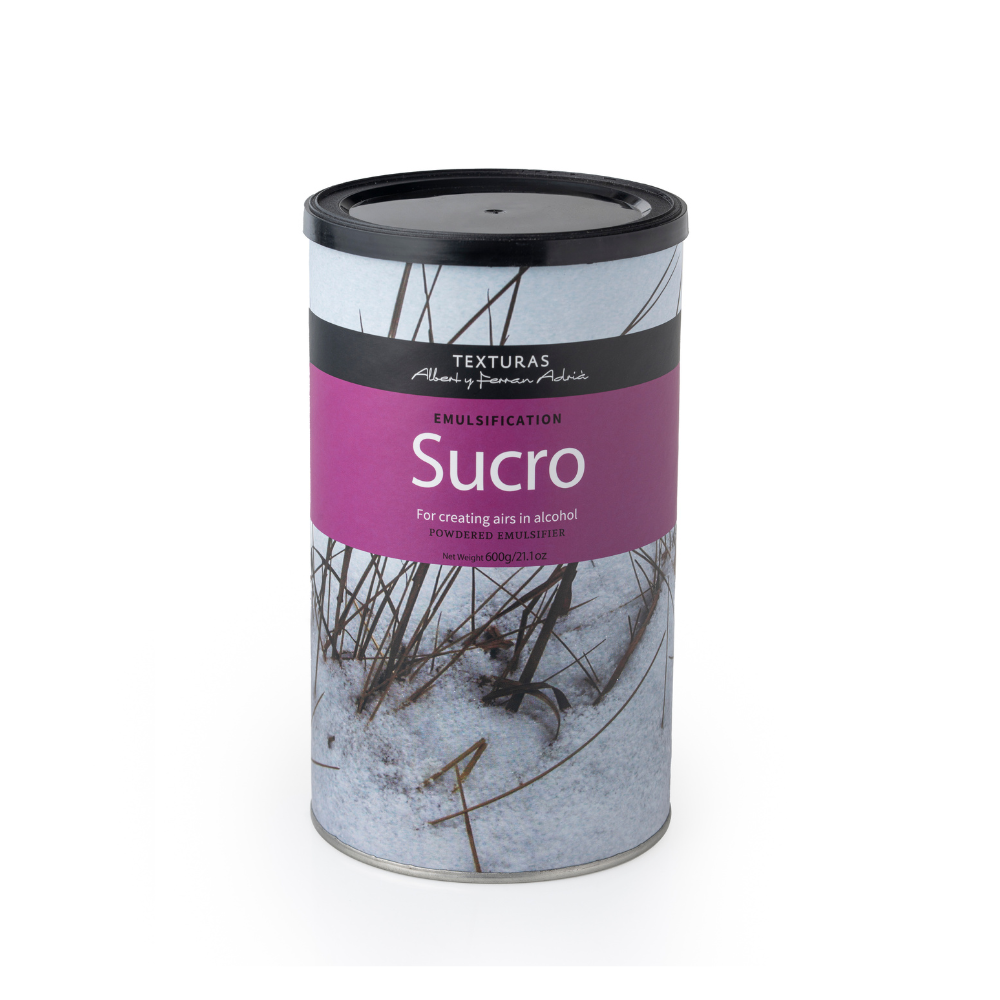
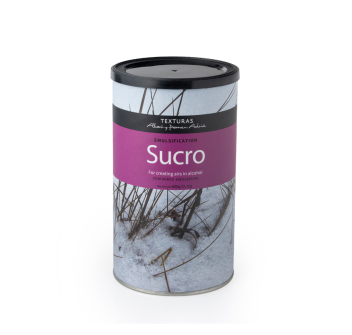
Modern cooking is ushering in an era of innovation and creativity with the introduction of revolutionary techniques and materials like sucro and carta fata. Decorfood Sucro for Airs, an emulsifying powder derived from bacterial fermentation, is transforming the way chefs and enthusiasts approach the preparation of drinks and dishes, allowing them to create light and flavorful airs that add a whole new dimension to any recipe. Likewise, the use of carta fata, a transparent wrapping resistant to high temperatures, is reinventing cooking, allowing for even heat distribution and preserving the aroma of food. These technologies promise not only to elevate the culinary experience but also to stimulate a continuous exploration of gastronomic possibilities.
Molecular techniques have revolutionized the world of gastronomy, offering new perspectives in the preparation of dishes and cocktails. Among these, the use of sucro as an emulsifying powder stands out for its ability to create surprising textures and unique sensations on the palate. This substance, derived from vegetable fats, allows chefs and mixologists to experiment beyond traditional limits, creating light airs and foams that enrich culinary creations with new layers of flavor and visual presentation. The use of sucro opens the way to innovative recipes, transforming simple cocktails into liquid works of art and dishes into multisensory experiences that defy convention. With this cutting-edge technique, molecular cuisine promises to continue to amaze and delight the most demanding palates.
At the heart of culinary innovation, the emulsifying powder sucro takes center stage to create surprising airs and textures, especially in cocktails. This molecular technique allows you to experiment beyond the boundaries of the traditional, transforming classic drinks into unique sensory experiences. The use of sucro to create alcoholic airs offers a new dimension to drinks, making them lighter and more aromatic, with a spectacular presentation that leaves you speechless. The ability to combine ingredients in previously unthinkable ways opens the doors to innovative recipes that defy the imagination, inviting both chefs and mixology enthusiasts to explore uncharted territories of modern gastronomy.